Lawn Diseases · Georgia
Brown Patch Lawn Disease Treatment in Georgia (2026 Guide)
Georgia edition: Identify brown patch fungus, stop it with the right fungicide, and change the conditions that caused it — a complete recovery plan. Tailored for Bermuda lawns and Georgia growing conditions.
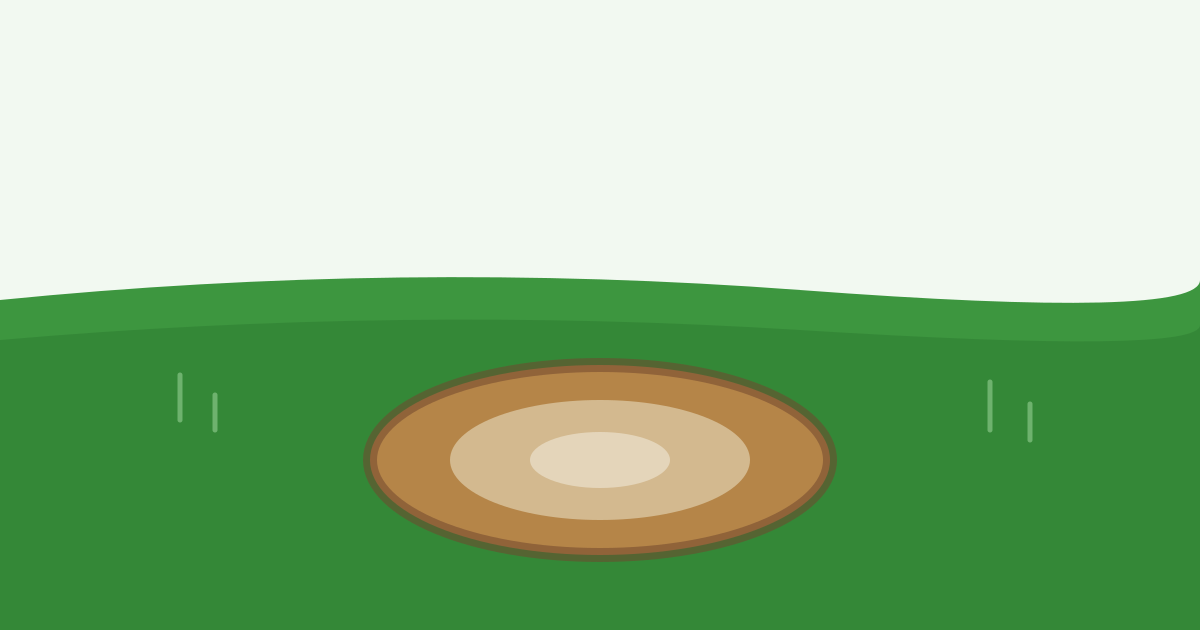
Circular brown rings expanding through your lawn in warm, muggy weather are the signature of brown patch — Rhizoctonia solani — the most common summer fungal disease in American lawns. Caught early, it’s very treatable. Ignored, it can hollow out whole sections of turf that take a full season to recover.
Why Brown Patch Happens
Brown patch needs three things at once, and summer reliably provides all three:
- Temperature — nights above 65°F, days between 75–90°F
- Moisture — 10+ hours of continuous leaf wetness (humidity, dew, evening watering)
- Fuel — lush growth from heavy nitrogen, plus a thatch layer sheltering the fungus
Identification
Check these markers before reaching for fungicide, because drought stress, grubs and dog urine all mimic brown patch:
- Shape — roughly circular patches from 6 inches up to several feet, often with a darker “smoke ring” border in morning dew
- Blades — irregular tan lesions with dark brown margins on individual blades at the patch edge
- Pull test — blades at the margin pull free easily and look rotted at the base
- Timing — appears or expands after warm, humid nights, not after dry heat
Georgia Lawn Threat Matrix
What to scout for on Bermuda lawns in USDA zones 7a–9a.
High-Risk Weeds
- Crabgrass
- Doveweed
- Virginia buttonweed
- Dallisgrass
- Annual bluegrass (Poa annua)
- Lespedeza
High-Risk Diseases
- Large patch (Zoysia and centipede)
- Dollar spot
- Spring dead spot (Bermuda)
- Take-all root rot
- Centipede decline syndrome
Common Pests
- Fire ants (statewide, year-round mounds)
- Fall armyworms (late-summer outbreaks)
- Two-lined spittlebugs (centipede specialist)
- White grubs
- Chinch bugs (St. Augustine on the coast)
Treatment
Brown Patch Recovery Plan
Confirm the diagnosisDay 1
Look for the smoke ring at dawn and lesioned blades at patch margins. Treating drought stress with fungicide wastes money and delays the real fix.
Apply a systemic fungicideImmediately after confirming
Azoxystrobin (Scotts DiseaseEx, Heritage) at the curative rate covers the patches plus a 3-foot buffer beyond every visible edge — the fungus is always wider than the symptoms.
Cut off the moisture supplySame week
Switch all irrigation to early morning (4–8 AM). Skip watering entirely on humid weeks. The goal is blades that are dry by nightfall, every night.
Re-apply and rotate14–28 days later
If conditions stay favorable, follow up with propiconazole instead of repeating azoxystrobin — rotating chemical classes prevents resistant strains.
Repair the dead centersAfter outbreak ends
Rake out dead material and patch. Warm-season lawns usually creep back in on their own; cool-season lawns need overseeding in fall.
Product Recommendations
Systemic Fungicide
Scotts DiseaseEx Lawn Fungicide
★★★★★ (4.5/5)
Granular azoxystrobin with up to 4 weeks of systemic protection. The easiest effective brown patch treatment for homeowners — spreader-applied, watered in once.
Best for: First response to active brown patch
$20–$25
View on AmazonRotation Fungicide
BioAdvanced Fungus Control for Lawns
★★★★☆ (4.4/5)
Propiconazole in a hose-end sprayer. Fast curative knockdown and the right rotation partner to azoxystrobin for resistance management.
Best for: Second application in a fungicide rotation
$18–$22
View on AmazonPrevention
Fungicide treats outbreaks; culture prevents them.
- Water at dawn, never at dusk — the highest-impact change on this list
- Go easy on summer nitrogen — slow-release only, at reduced rates, in disease season
- Mow sharp and bag clippings during outbreaks — dull blades shred tissue and spread mycelium; infected clippings reseed the fungus
- Dethatch and aerate annually — thatch over a half inch is a fungal hotel
- Improve airflow — patches that recur in the same shaded, still corner every year are telling you to prune
Frequently Asked Questions
Does brown patch go away on its own?
Sometimes — brown patch is driven by weather, and activity stops when humidity drops or temperatures leave the 65–90°F range. But the fungus survives in soil and thatch, so untreated lawns usually see it return in the next favorable window, often worse.
What is the best fungicide for brown patch?
Azoxystrobin and propiconazole are the two most effective residential options. Azoxystrobin gives longer systemic protection (up to 28 days); propiconazole knocks down active infections faster. Rotating between them prevents resistance.
Should I water a lawn with brown patch?
Water only in the early morning, and only when the lawn actually needs it. Evening irrigation is the single biggest brown patch accelerator — blades staying wet overnight give the fungus its required 10+ hours of leaf wetness.
Can I fertilize during a brown patch outbreak?
Avoid it. Fast-release nitrogen feeds the fungus more than the grass and produces the lush, tender growth Rhizoctonia loves. Wait until the outbreak is controlled, then resume with a slow-release product.