
Active ingredient
Mesotrione
Triketone (HPPD inhibitor, Group 27)
A bleaching herbicide — it blocks pigment synthesis, so treated weeds turn white before they die.
What it does
Controls a wide broadleaf and some grassy weed range, and is unusual in being safe over new cool-season seedings on the labels that permit it, which makes it the exception to the rule that pre-emergents and seeding are incompatible.
What it does not do
It does not carry every use its chemistry suggests. One label we read frames bermudagrass as a species sensitive to the product — a use precaution — rather than carrying a bermudagrass suppression section, and those are not the same thing.
The label constraint people miss
Concentration varies enormously between the turf product and the agricultural one, and their labelled sites differ with it. A 40% agricultural concentrate is not a stronger version of the turf bottle; it is a different product with a different site list.
Products we review that contain it
Every product below is here because we opened its label — on EPA's own database or the registrant's — and read Mesotrione in the ingredient statement. Registration numbers are on each product's page.
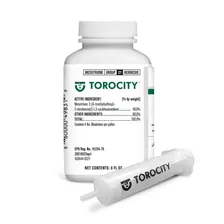
Selective Pre- and Post-Emergent Herbicide (concentrate)
Atticus Torocity Mesotrione Herbicide, 8 oz
★★★★★ (4.5/5)
Mesotrione is one of only three actives labelled for use at seeding time, and this is the homeowner-priced concentrate version of it rather than the professional product.
Best for: Spring seeding or renovation on a cool-season lawn, where every other pre-emergent would stop the grass seed too
$26–$34
View on Amazon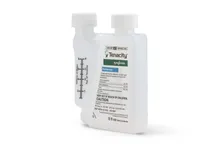
Selective Turf Herbicide (mesotrione, HPPD inhibitor)
Syngenta Tenacity Turf Herbicide, 8 oz
★★★★★ (4.6/5)
The mesotrione in Virginia Tech's bermudagrass programme, and the product whose label names Turflon Ester as its tank-mix partner.
Best for: Cool-season lawns where mesotrione's own weed list matters, and as the extension programme's partner for bermudagrass suppression
$55–$70
View on Amazon


Guides that use Mesotrione
- Best Crabgrass Killer: Count the Tillers First
- How to Kill Bermuda Grass in a Fescue Lawn: Mow It Out First
- Seeding After Pre-Emergent: The Conflict Nobody Warns You About
- When to Apply Pre-Emergent: The 55°F Rule Is Misread
- How to Get Rid of Clover in Lawn (Or Keep It On Purpose)
- When to Overseed Your Lawn — and When Not to Bother
Buy for the active, then read the label anyway. Two products with the same active are not interchangeable — concentration, labelled sites and species tolerances all vary, and a three-part registration number means a narrowed label. How to read one in two minutes. Where our page and your container disagree, the container is the legal authority.